As we approach the middle of the year, 2024 seems to be flying by. Along with the mid-year, we are also entering a long dry season that requires our attention due to its potential health impacts. In Indonesia, the dry season usually lasts from around April to October.
Here’s what to expect for the 2024 dry season:
1. General Forecast
The Meteorology, Climatology, and Geophysics Agency (BMKG) frequently provides periodic weather forecasts. For the 2024 dry season, generally dry weather is expected, with much less rainfall compared to the rainy season. Southern regions of Indonesia, such as Java, Bali, Nusa Tenggara, and much of Sulawesi, are predicted to experience significant dry conditions.
2. El Niño/La Niña Impact
El Niño and La Niña phenomena have a major influence on weather patterns in Indonesia. If El Niño occurs, it usually results in a longer and drier dry season. Conversely, La Niña can lead to increased rainfall, even during the dry season. The status of these phenomena needs to be monitored through BMKG reports, which provide regular updates.

3. Temperature and Humidity
During the dry season, temperatures are typically higher. In urban areas, temperatures can peak above 35°C. The air tends to be dry, making the weather feel hotter and more arid.
4. Socio-Economic Effects
A long dry season can significantly impact farmers and fishermen. Tourism might also be affected due to the dry conditions, leading to many plants withering and not growing optimally.
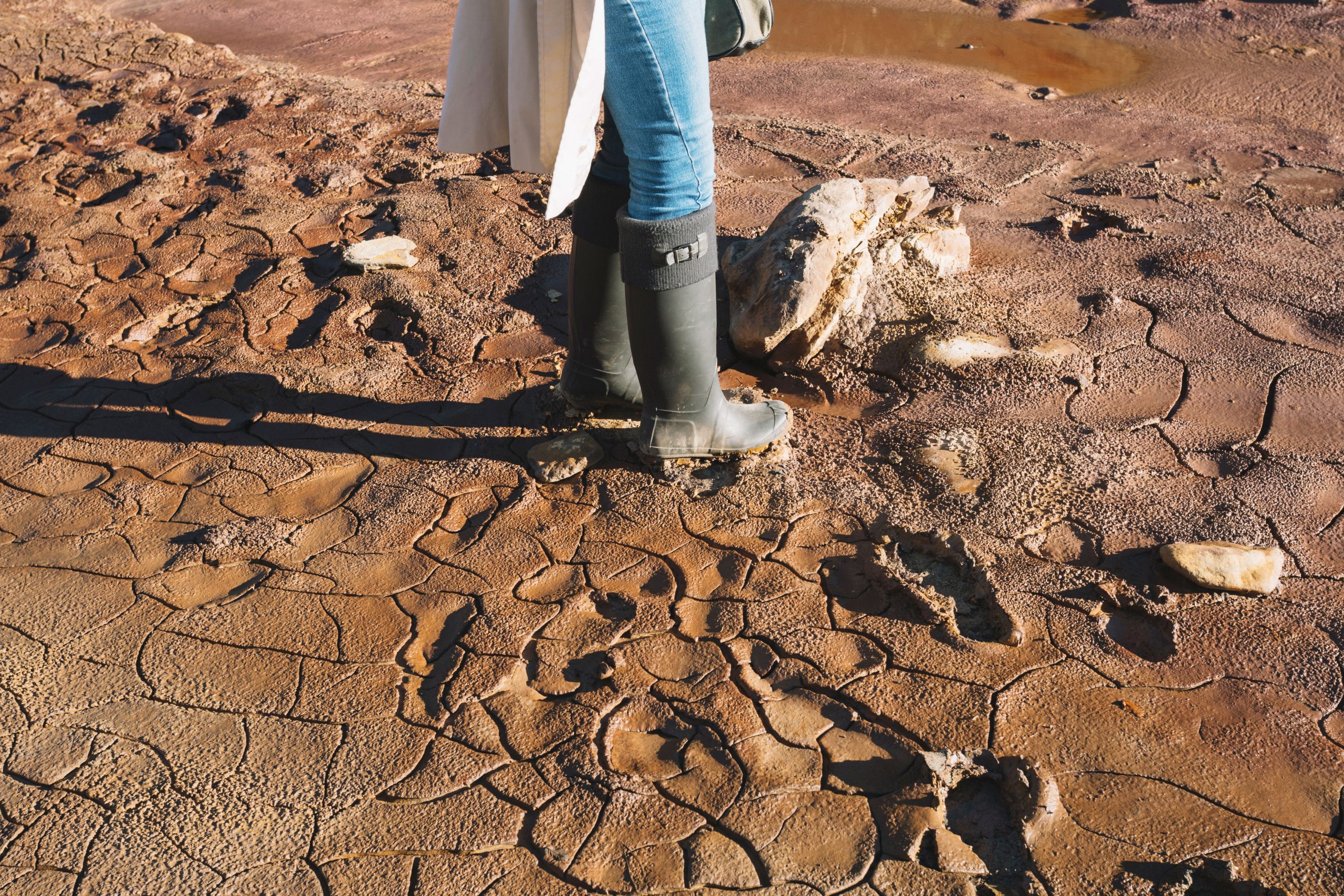
- Unpredictable weather and seasonal changes can affect the agriculture, fisheries, and tourism sectors. Food availability and commodity prices might experience sharp fluctuations.
- Urban planning and infrastructure readiness are crucial to cope with the impacts of extreme weather.
By staying updated with information from BMKG and other related agencies, the public can be better prepared to face various weather challenges through the end of the year.